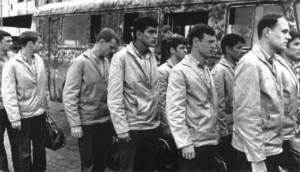
On March 29, 1973, the final U.S. combat troops boarded aircraft at Tan Son Nhut Air Base, marking the official conclusion of America’s direct military involvement in the Vietnam War. While the fall of Saigon was still two years away, for the men on those planes, the long nightmare was over—or so they thought.

Today, 53 years later, March 29 is recognized as National Vietnam War Veterans Day. As the U.S. continues to navigate complex military commitments in the Middle East, the lessons of the Vietnam homecoming remain a vital, sobering touchstone for how a nation treats those who serve.
The Quiet Departure of 1973
The withdrawal was a direct result of the Paris Peace Accords, signed two months earlier. By the time the last combat units were processed, the atmosphere wasn’t one of victory, but of exhaustion.

As most sources note, approximately 2.7 million Americans served in uniform in Vietnam. Yet, the final departure was devoid of the ticker-tape parades that defined the end of World War II. For the last men to leave, the transition was jarring; they were in a jungle one day and walking down a quiet American street 48 hours later, often told by commanders to change into civilian clothes to avoid being targeted by protesters.
A Homecoming Like No Other

The “Homecoming” narrative of the Vietnam era is one of the most painful chapters in American social history. Unlike the unified home front of previous conflicts, the Vietnam veteran returned to a country deeply divided.
- Social Isolation: Many veterans reported being ignored or met with open hostility.
- The “Vow” of 2017: In a 2017 Presidential Proclamation, the United States officially committed to a national cultural shift: “We vow to never again confuse personal disapproval of war with prejudice against those who honorably wear the uniform.”
This shift was not just symbolic. The poor reception of Vietnam veterans directly influenced the creation of modern support systems, including better recognition of Post-Traumatic Stress Disorder (PTSD) and the robust “Thank you for your service” culture that exists today.
Why March 29 Matters in 2026
In 2026, the legacy of Vietnam feels increasingly relevant. As debates over foreign intervention and troop withdrawals dominate current headlines, March 29 serves as a reminder that the “cost of war” extends far beyond the final ceasefire.
The Vietnam Veterans Memorial Fund continues to emphasize that the day is about more than just the 58,000+ names on “The Wall” in D.C.; it is about the living. It is a day to provide the “Welcome Home” that was denied to so many in 1973.
Fast Facts of the Vietnam War
| Category | Facts |
| Total U.S. Deaths | 58,148 |
| Average Age of Killed in Action | 23.1 years |
| Last combat troops out | March 29, 1973 |
| POWs Returned (Operation Homecoming) | 591 |
Never Forgotten

March 29 is more than a date on a calendar; it is a correction of a historical wrong. Whether through local ceremonies or a simple moment of silence, the day ensures that the “forgotten soldiers” are finally seen. As we look at the geopolitical landscape of 2026, we are reminded that while we may disagree on the politics of war, the dignity of the warrior is non-negotiable.