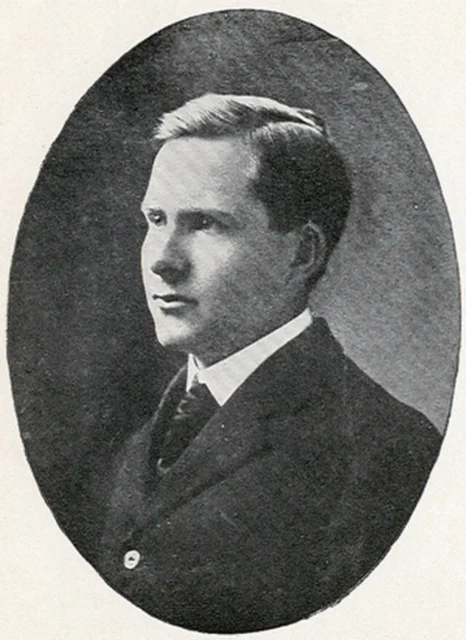
With Iran back in the news over Hormuz diplomacy and Geneva talks, an older U.S.–Iran story feels strangely alive: a 24-year-old teacher who chose a foreign revolution and became a martyr.
This month’s Iran headlines have been a jolt: Strait of Hormuz closed for hours during live-fire drills, diplomacy running through Geneva, and the ever-present question of what happens if a standoff slips its leash.

But if you want the most unexpected U.S.–Iran story—one that reads like it was engineered for a “lone American hero” documentary—you don’t start with warships. You start with a classroom in Tabriz.
A Princeton-Educated Teacher Drops Into a Revolution
Howard C. Baskerville was an American teacher from Nebraska, a Princeton graduate, working at the American Memorial School in Tabriz. In 1908–1909, Persia was convulsing in the Constitutional Revolution, and Tabriz became one of its defining battlegrounds.
Royalist forces laid siege to the city as the political conflict turned into a humanitarian crisis. Contemporary scholarship on the period highlights how foreign intervention—especially Russian pressure and force—shaped the struggle around Tabriz.
Baskerville watched the siege tighten, and he did something no one expected an American mission-school teacher to do: he picked a side.
“Stay Neutral.” He Didn’t.
Baskerville resigned his post and helped organize volunteers into a unit known as the Fawj-e Najāt (“Detachment of Salvation”), training local young men to try to break the siege.

U.S. officials wanted him out and urged neutrality, because his participation risked dragging America into a volatile internal conflict. The pressure placed on him, including efforts to rein him in diplomatically, ultimately failed.
He refused to stand by and “do nothing.” And that refusal is exactly why the story still echoes: it’s the purest form of a “fish-out-of-water” myth—an American who decides the moral line is closer than the geopolitical one.
April 1909: The Sniper Shot That Made a Legend
On April 19, 1909, Baskerville was killed during an attempt to sortie against besieging forces outside Tabriz—hit by sniper fire while participating in the desperate effort.
His death didn’t end the story—it ignited it. Accounts emphasize the scale and symbolism of his funeral in Tabriz, which became a public moment of unity and grief.

Over time, Iranians would remember him as the “American Lafayette of Iran”—a foreigner who crossed the line his own government preferred him to keep and paid for it with his life.
Why This Feels Current in 2026
When Hormuz heats up, it’s easy to see U.S.–Iran history as ships and sanctions. Baskerville complicates that. He’s proof that Iran’s memory of “America” isn’t one note, and that individual choices can become national symbols long after the cannons stop.