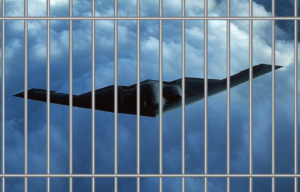
Northrop Grumman B-2 Spirit

The B-2 Spirit is one of the most sophisticated aircraft ever built, combining immense power with cutting-edge stealth technology. This unique combination allows it to undertake missions that are out of reach for other bombers, making it a crucial asset to the U.S. Air Force. The primary strength of the B-2 lies in its ability to deliver large air-to-surface standoff weapons while maintaining a low radar profile, ensuring it can evade enemy detection.
The aircraft’s remarkable stealth capabilities are a result of careful design and advanced engineering. Its engines are integrated into the body of the aircraft, rather than being mounted externally, which helps reduce its radar signature. Additionally, the B-2 uses advanced technology to cool its exhaust, significantly lowering its infrared visibility. The B-2 is also quieter compared to other bombers, further enhancing its stealth.
In the bomber fleet, the B-2 plays a key role in disabling enemy anti-aircraft defenses, clearing the way for less stealthy aircraft to carry out their missions. It has seen combat in various conflicts, including the Iraq and Afghanistan wars, and made its first operational combat appearance during the Kosovo War in the late 1990s.
Noshir Gowadia went from patriotic engineer to treasonous spy

However, the knowledge that had once strengthened U.S. defense was later misused. In 2002, authorities charged Gowadia with sending highly classified thermal stealth information by sending a fax to at least three foreign governments. The most serious claim was that he helped China develop a stealth-capable cruise missile that could evade U.S. defenses—turning the very innovations he created to protect his country into potential threats against it.
Arrested by federal agents

In October 2005, federal agents interviewed Noshir Gowadia twice and conducted a search of his home. On October 26, he was arrested and charged with one count of “willfully communicating, delivering or transmitting national defense information to a person not entitled to receive it, which information the possessor has reason to believe could be used to the injury of the United States or to the advantage of a foreign nation.”
On November 8, a federal grand jury issued an 18-count indictment against Gowadia. According to a press release from the Department of Justice:
“The indictment charges Gowadia with ‘performing substantial defense-related service for the People’s Republic of China (PRC) by agreeing to design, and later designing, a low observable cruise missile exhaust system nozzle capable of rendering the missile less susceptible to detection and interception.'”
The indictment further outlined Gowadia’s trips to China to support the development of this system.
Noshir Gowadia stands trial for his crimes

Noshir Gowadia’s trial was delayed several times before it finally began in 2010. Originally scheduled for July 2007, it was first pushed to February 2008 to allow the Department of Justice to finish a background check on his new lawyer. Additional delays followed, as the court needed time to evaluate whether Gowadia was mentally competent to stand trial. He had refused to cooperate with his defense team, raising concerns.
In November 2009, U.S. Magistrate Judge Kevin S.C. Chang determined that Gowadia’s refusal to work with his attorneys wasn’t a sign of incompetence. Chief U.S. District Judge Susan Oki Mollway agreed with this ruling. With no more delays, the trial officially began on April 12, 2010, and closing arguments were made on July 29.
A guilty verdict is returned by the jury

The jury returned a verdict on August 10, finding Noshir Gowadia guilty of both espionage and violating the Arms Export Control Act. Sentencing occurred on January 24, 2011, with the designer sentenced to 32 years in prison. He was incarcerated at ADX Florence, a maximum security prison in Fremont County, Colorado. He is scheduled for release on February 1, 2032.
More from us: North American B-25 Mitchell: The Most Produced American Medium Bomber of World War II
It remains unclear how damaging Gowadia’s secret selling has been, but it is known that Germany, Israel, China, and other nations benefited from his espionage. While it could be an interesting coincidence, the Chinese stealth fighter Chengdu J-20 Mighty Dragon flew for the first time the same month Gowadia was sentenced. This might be the first indication of the impact his actions may have had.